
Oak Lawn Previous Resident Sources
The backward trail begins with modern parcel identity and grows less direct in earlier years. Cook County records establish instruments and tax context. Regional books and Oak Lawn Public Library sources add people and events. The available years do not form one unbroken run, so a gap must remain a gap until another dated source bridges it.
| Source | Years It Covers | Where Held | What It Shows |
|---|---|---|---|
| CRS recordings index | Indexed through August 6, 2026; start year not located | Cook County Clerk | Recorded instruments, party roles, dates, PIN, document chain |
| Tax portal | Five-year billed amounts and recent history described | Cook County tax portal | Parcel, tax mailing, exemptions, recent document context |
| Regional directories | 1922–23 and 1928–29; latter includes Oak Lawn | Newberry Library | Dated names and addresses, subject to edition coverage |
| Criss-cross books | Chicago runs documented for 1953 and 1955 | Newberry Library | Address-first entries; Oak Lawn inclusion must be checked |
| Local newspapers | Digitized issues described for 1933–2014 | Oak Lawn Public Library | Moves, events, obituaries, family and civic references |
| Federal census | Public schedules through 1950 as of 2026 | National Archives and library databases | Households at an enumeration date and historic geography |
| Probate and court | Archives holdings reach 1871 | Clerk of the Circuit Court Archives | Public estate, heir, address, and case-file evidence |
| Oak Lawn permits | Online start not located | Building Division or FOIA | Work and inspection dates when retained and releasable |
For a recent transfer, start with the PIN and Clerk index. For a mid-century occupant, try a dated telephone or reverse directory and then a census year. Before incorporation or before street numbering became stable, use legal land descriptions, place labels, and family records rather than forcing a modern address backward.
Fix the Oak Lawn Parcel
The Cook County Assessor address search can turn a house number and street name into a PIN. Compare the result with Cook County's property tax portal and CookViewer. Save the situs address, unit, PIN, legal description, property class, tax year, and tax-bill mailing address exactly as displayed.
Situs means the physical parcel location. Mailing means the destination for tax correspondence. They may differ. An exemption can add dated principal-residence context for the tax year, but it does not prove continuous occupancy. The legal description is the durable land identity, often expressed through subdivision, block and lot or section, township and range.
Note: A trust, estate, company, or remote mailing agent can appear in property records without identifying every past occupant.
Trace Cook County Deeds Backward
A chain of title is the linked sequence of recorded transfers for the same land. The Cook County Clerk's Recordings System supports address and PIN searching, while its advanced screen supports party, document, subdivision, and legal-description searches. Use the parcel identity first. A deed names parties to a transfer; a mortgage, release, lien, easement, or plat may add context without transferring ownership.
- Start with the PIN and legal description saved from the current parcel record.
- Locate a likely deed. Match its PIN, legal description, grantee, grantor, executed date, recorded date, and document number.
- Take the seller, or grantor, and search for that party as an earlier buyer, or grantee, tied to the same land.
- Repeat one verified deed at a time. Track associated document numbers, name variants, trusts, spouses, and estates without merging roles.
- If the index stops, ask the Recordings Division about copies or older access. Do not assign an online cutoff year that the official source does not state.
- Grantor and grantee
- The grantor gives an interest in the recorded instrument. The grantee receives it. Their roles must be read from that document type.
- Chain of title
- The document-by-document sequence of transfers for the same parcel or legal description.
- Legal description
- The formal land description in the instrument. It can remain stable when a street label changes.
- Executed and recorded
- Executed is when parties signed. Recorded is when the Clerk entered the instrument in the public system.
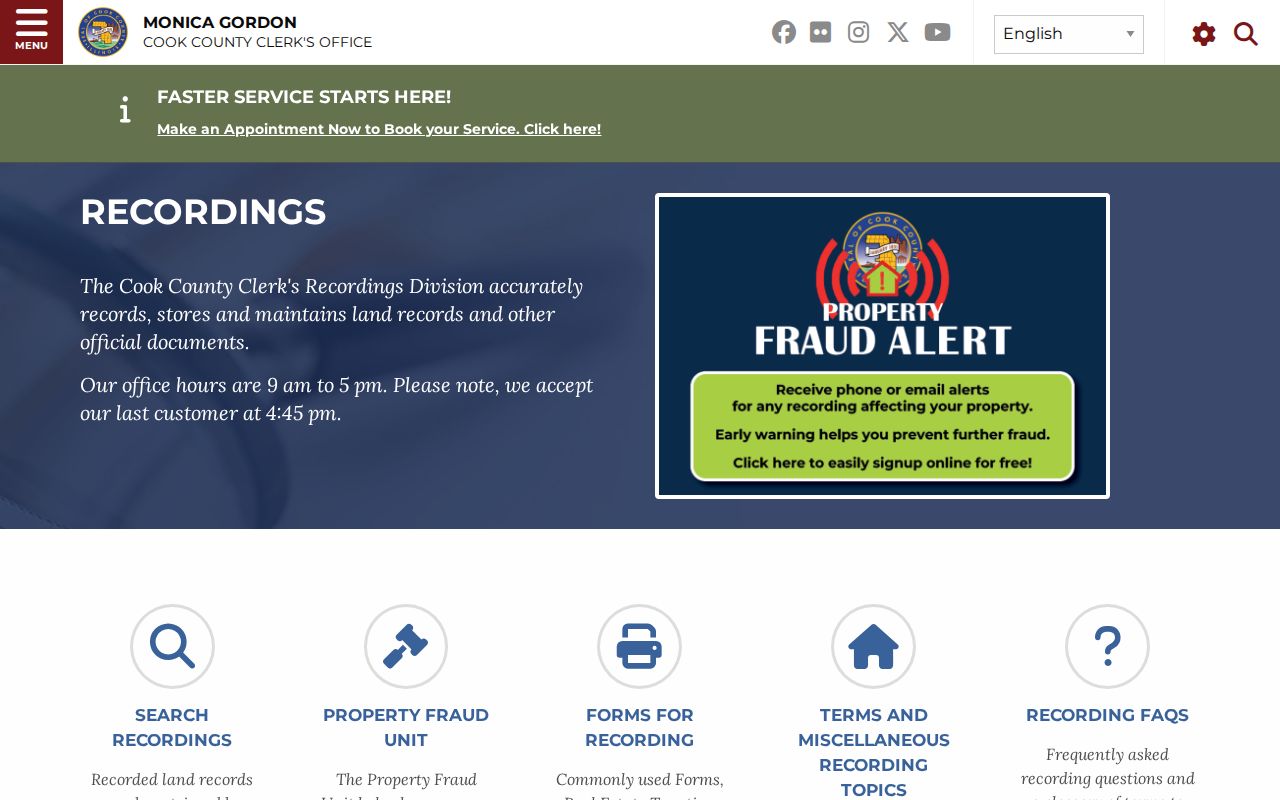
The official Cook County recordings page shown below is the access point for searches, copies, forms, and office services.
Record a citation before moving to the prior deed. A name-only hit is not enough, especially when a common surname or trust appears more than once.
Read Oak Lawn Instrument Roles
The CRS result table may show document type, first grantor and grantee, first PIN, associated document, and recorded or executed dates. These are index fields, not a complete legal interpretation. A quitclaim deed, transfer-on-death instrument, lien, release, mortgage, plat, or easement answers a different question.
Research using an Oak Lawn official address returned municipal lien rows with other associated locations. That test demonstrates why the address field is informational. Open the document and compare its land description before placing it in a house chronology. A lien can show a claim against property; it is not proof of a sale or of residence.
Evidence rule. Keep the party's role beside every name. Buyer, seller, trustee, executor, applicant, heir, and occupant are not interchangeable.
Bridge Oak Lawn Directory Years
The strongest documented early directory bridge is regional. Newberry's city-directory inventory lists Summit-Argo and Clearing for 1922–23 and 1928–29, and expressly says the latter run includes Oak Lawn, Spring Forest, and Justice. It also cross-references Spring Forest to that run. Search all relevant place labels before deciding an address is absent.
The Chicago criss-cross holdings documented for 1953 and 1955 are address-first tools, but suburb coverage must be confirmed in the volume. Later Suburban South directories appear in selected runs from 1966 through 1995–96. Exact Oak Lawn coverage still needs an edition check. For the shelf, publishers, and abbreviation keys, use the Oak Lawn city directory page rather than assuming a continuous local series.
No verified Oak Lawn street-renumbering year was found. If a current number fails, search the parcel's legal description, subdivision, cross-streets, and the names Oak Lawn, Black Oaks, Black Oak Grove, Spring Forest, and southwest suburban wording.
Date an Oak Lawn House
The Oak Lawn Public Library Local History Room is a practical bridge when deeds identify owners but not daily life. OLPL became the official Village repository in 2006. Its holdings include phone books, yearbooks, village minutes, budgets, annual reports, newspapers, maps, photographs, and local-history objects. Staff can help with old street variants and an edition or issue reference.
The library describes digitized Oak Lawn Independent and Village View issues for 1933–2014. Its newspaper index contains more than 87,000 references from 1988 onward, and its obituary index contains more than 245,000 references from 1985 onward. Those totals make the library useful for dated moves, sales, building work, civic activity, and family events. Always retrieve the cited issue and page before adding the event to a timeline.
Oak Lawn does not publish a permit-history address index in the researched material. Ask the Building Division or use the village FOIA portal with an exact address, record type, and date span. Permit absence is weak evidence because some work does not require a permit and online coverage was not established.
Pair Oak Lawn Census Years
A directory is a dated listing. A federal census is a household schedule taken at a particular enumeration date. Pairing them can test whether the same household appears near the address in both sources, but historical geography may use a township, precinct, rural route, or place label instead of modern Oak Lawn.
- Choose the nearest verified directory edition and copy its name, address, page, place label, and abbreviation key.
- Search the closest public census year using the same name, relatives, occupation, cross-street, and historic geography.
- Compare household members and neighbors, then inspect the original schedule rather than relying only on a transcript.
- Return to the next directory year. Mark arrivals, departures, spelling shifts, and address changes as dated observations.
The 72-year access rule made 1950 the newest generally public decennial census as of the research date. Do not translate the printed enumeration geography into a modern village boundary without a map check.
Close Oak Lawn Resident Trails
An obituary can name relatives, organizations, a funeral home, and a date. It is not a certified death record. A public probate petition or inventory may connect an estate, heirs, and property, but some details can be stale, sealed, or restricted. Start with OLPL's obituary index, then use a case number to approach the court file.
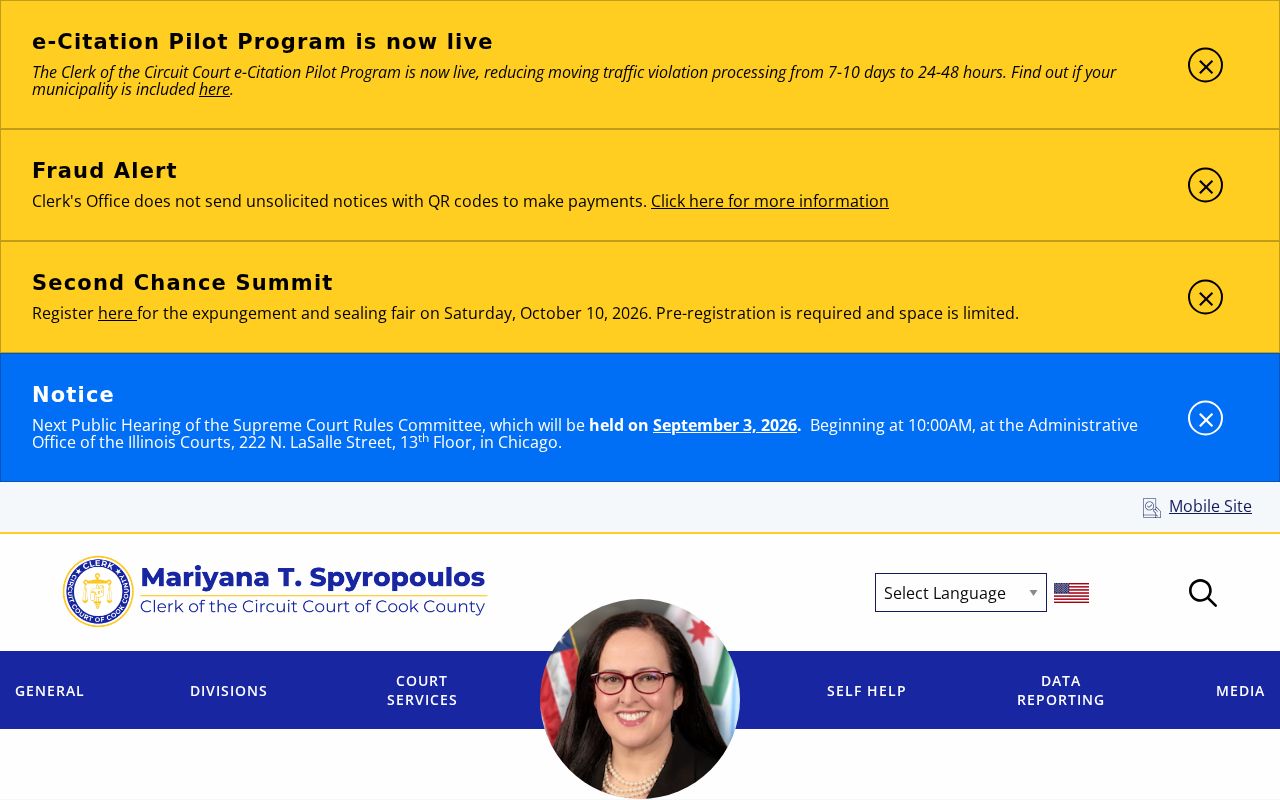
The Cook County Circuit Court Archives says its non-current holdings reach 1871 and computerized indexing began in the early 1980s. Staff need exact spelling, dates, and generally a case number; open-ended research is not promised. The official Archives page appears below.
When a deed chain ends in an estate or trust, court records may explain the transition. They should not be used to guess at a living person's location.
When Oak Lawn Online Records Stop
The online CRS beginning year was not located in official sources. Its indexed-through date does not prove a complete run back to a certain year. Try alternate PIN formatting, party spelling, subdivision, legal description, document number, and associated instruments before concluding no recording exists.
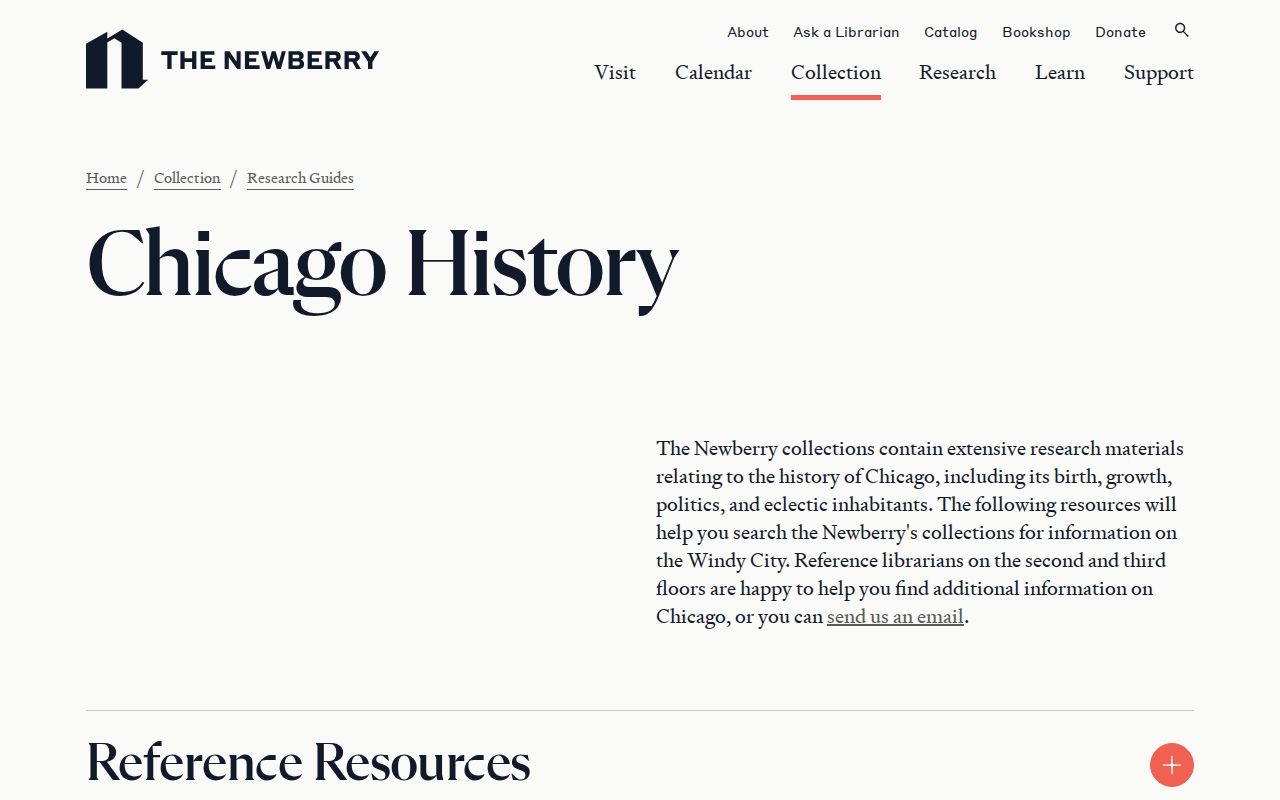
For deeper regional context, the Newberry Chicago history research guide outlines historical collections and on-site work.
Older Oak Lawn evidence can sit in county deed books, court archives, library microfilm, church material, maps, or family collections. Cook County was organized in 1831, while the Archives boundary reaches 1871. Oak Lawn's early settlement, railroad, post office, and 1909 incorporation created changing record keepers and place labels.
Note: No Oak Lawn-specific courthouse fire or confirmed local record-loss event was found in the official sources reviewed.
Judge Oak Lawn Past Households
Owners are only one layer in a search for previous residents. A deed can place a buyer or seller in a legal transaction. A directory can place a listed name at an address in one edition. A census can show a household on one enumeration date. A newspaper can report an event, and a probate file can document an estate. Agreement across two or more dated records is stronger than any single result.
Build a chronology with columns for date, source, exact address or legal description, name, role, and citation. Preserve conflicts. A tax mailing address outside Oak Lawn may be valid correspondence data, while the situs remains in the village. An absent directory entry may reflect an edition gap, different place label, spelling, or unlisted telephone.
Lawful use. Research Oak Lawn previous residents for house history, family history, estates, and personal curiosity. Never use a historical trail to track, harass, intimidate, or harm a living person.